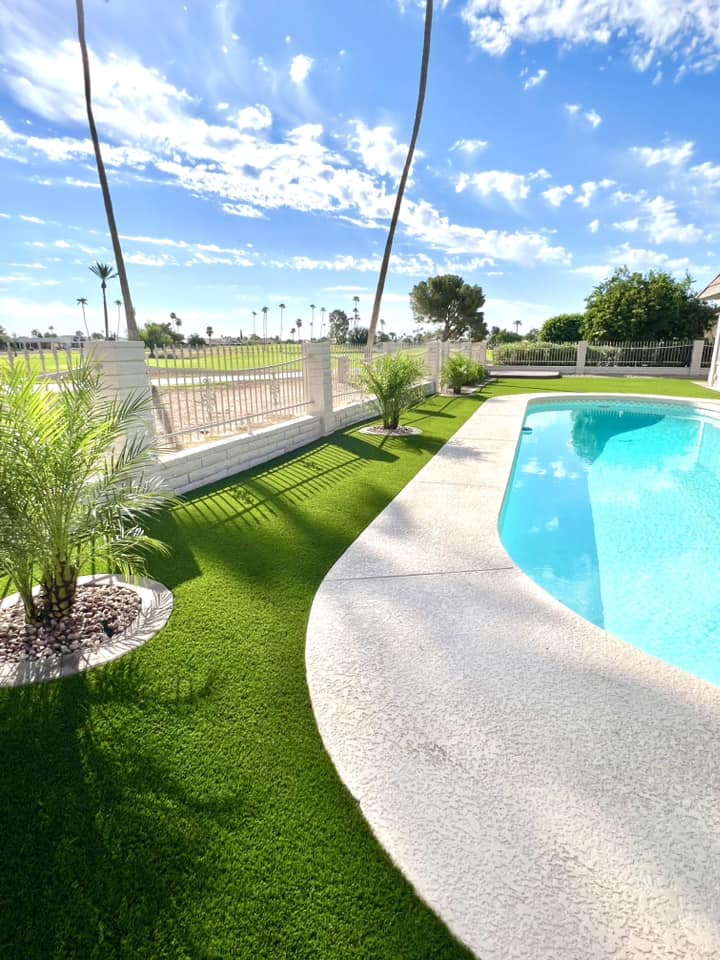
A Journey Through Stone and Flora: Designing Cohesive Outdoor Spaces Dec 02, 2025
Transforming an outdoor area begins with a clear vision. It's essential to consider how different elements can complement each other while serving your practical needs. Start by assessing the core purpose of your outdoor space. Is it a quiet retreat for reflection and relaxation, a vibrant environment for social gatherings, or a functional area for growing a garden? Clarity in purpose will guide the design process and influence decisions about plant selection, stone usage, and layout.
In landscaping, flora serves as the palette through which you can express vibrancy and life. Selecting the right plants entails considering factors such as climate, soil type, and maintenance level. Opting for native flora can improve sustainability, as these plants are already adapted to local conditions. Moreover, clever use of perennials and seasonal plants can ensure that your landscape remains visually appealing throughout the year.
The structural backbone of your outdoor environment lies in hardscaping. Materials such as stone, brick, and concrete provide durability and permanence. Incorporating elements like walkways, patios, and retaining walls not only organizes space but also introduces texture and contrast. When choosing materials, consider both aesthetics and practicality. For instance, natural stone offers timeless beauty and resilience, while concrete provides versatility and cost-effectiveness.
Color coordination is another critical aspect of designing cohesive outdoor spaces. By selecting a complementary color palette, you create a unified atmosphere that ties together plants, furniture, and hardscape elements. Earthy tones often blend harmoniously with natural settings, creating a soothing backdrop. Consider using contrasting colors to highlight specific features or create focal points that draw the eye.
Lighting plays a pivotal role in defining your outdoor space, especially as the day transitions into night. Thoughtfully designed lighting plans can enhance visibility and security, while also accentuating beautiful features such as pathways or water elements. Solar-powered lights or low-voltage fixtures can provide energy-efficient solutions that merge functionality with eco-conscious practices.
Water features add an element of tranquility and character, transforming ordinary gardens into serene sanctuaries. The sound of water flowing through a fountain or stream can provide a soothing auditory backdrop, while ponds can attract local wildlife, enriching your ecosystem. These features can be seamlessly integrated into the landscape with strategic placement and scale considerations.
In conclusion, creating a cohesive outdoor space is a journey that blends creativity with planning. By considering elements individually and as part of a whole, you can craft a landscape that is both visually stunning and functionally sound. Vix Landscape is dedicated to helping you harmonize these aspects, ensuring that your outdoor environment stands as an invitation to relaxation and communion with nature. Whether it's through lush gardens or imposing stonework, let your landscape tell its own story of beauty and balance.
/filters:no_upscale()/filters:format(webp)/media/4beccb45-6e87-4905-9b63-42cc6f02b493.jpg)
/filters:no_upscale()/filters:format(webp)/media/5040af5d-69e3-46b2-90ad-8be4618dc334.jpg)